
Designing for Humanoids
& Advanced Technologies
Colin O'Malley, LEED AP
Regional Managing Principal,
NorCal
Paul Comeau
Project Director
For almost 12 years, IA has designed environments for highly confidential innovative technologies, including AI, advanced humanoid robotics, and other cutting-edge robotics. With information around these technologies now flooding the media, we can openly discuss our knowledge of the design complexities of bringing these types of facilities online. With over 70 robotics projects delivered in 2025 alone, our expertise has had the opportunity to evolve right along with the technology itself.
These are not traditional workplaces. Many are designed for human-robotic interaction—custom environments that allow developers to observe performance, test, and teach robots to accomplish tasks and meet challenges. Large reconfigurable warehouse-type spaces designed with specific objectives that put robots through their paces (navigation, climbing, lifting, sorting, making, working with machinery, etc.) are common. Staged real-world settings, commercial and residential, are both learning and proving grounds. As reliability facilities, these workplaces may include product operations and robot manufacturing/assembly lines.
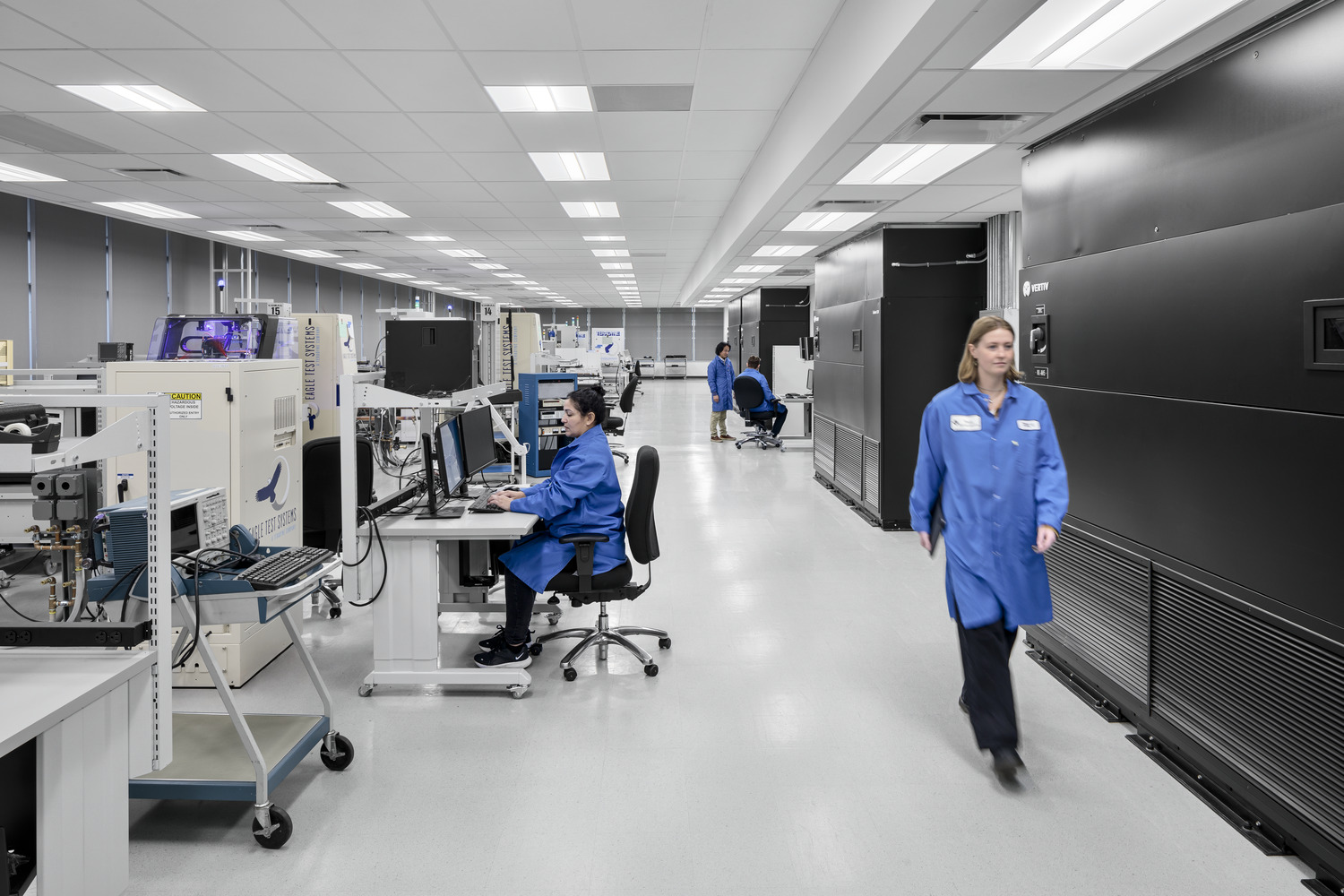
Design considerations for advanced technology and manufacturing may also encompass sufficient facility power supplies, the responsible use and storage of hazardous materials, building height clearance for gantry or other mobile craning solutions, and shared but defined separate circulation corridors for humans and technology products. Designs are affected by the robots themselves, providing for modification and recharging as well as the storage of robot batteries and serviceable parts.
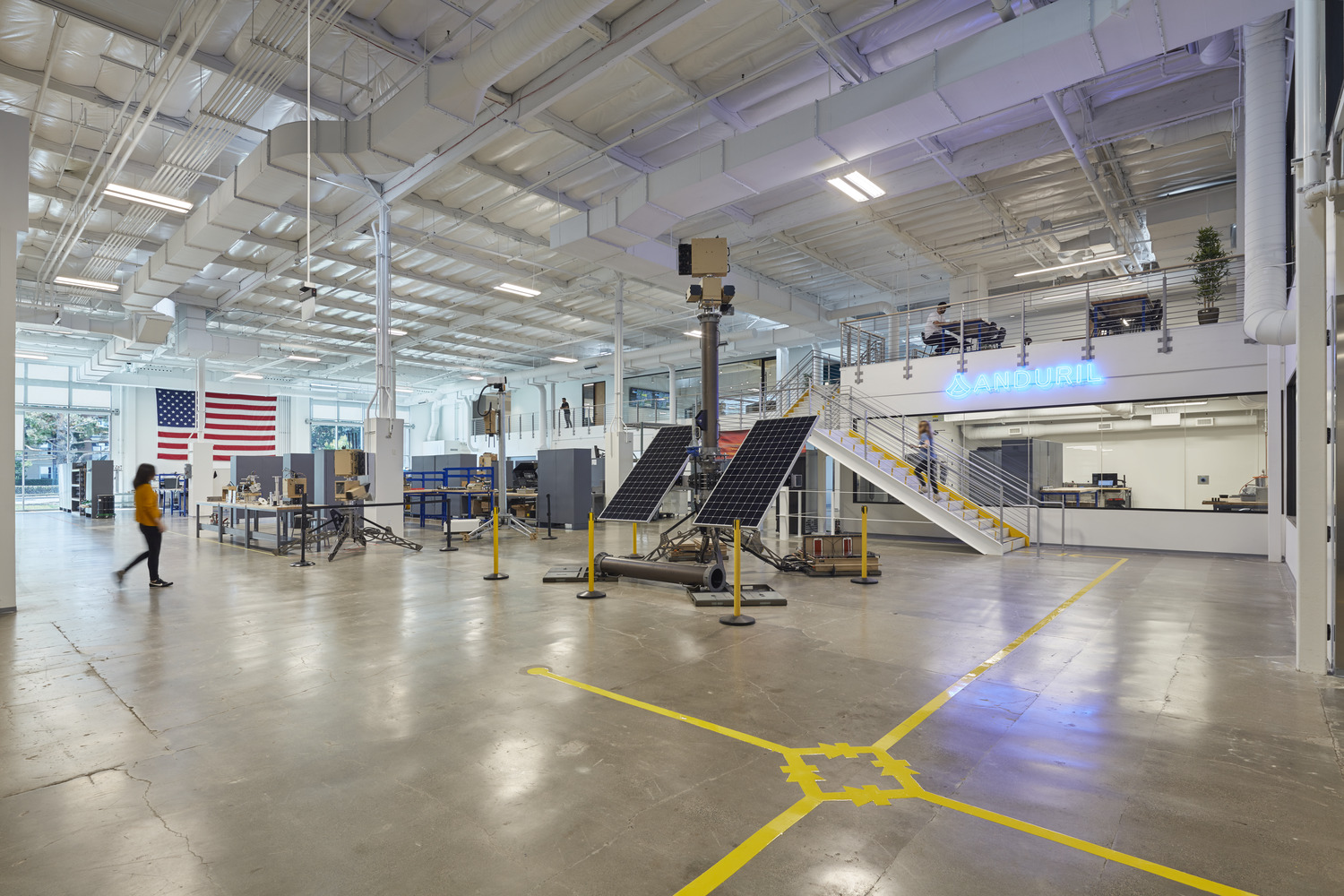
We are creating functional spaces and R&D labs for demands and agendas never before envisioned. These drive unique programming and rapidly evolving design decisions that can change profoundly before or during a buildout (sometimes requiring a significant pivot, extensive demolition, and a rebuild) to keep pace with the speed and momentum of client innovation and ensure future adaptability.
To design these prototype spaces, we use AI as a strategic design tool, supporting human expertise with additional insight, iteration, and spatial intelligence. Our approach integrates AI in the service of environments increasingly shaped by “AI brains” as we work with robotics and the technology of intelligent systems across industries, workplaces, and public realms.

Colin O'Malley, LEED AP
Regional Managing Principal, NorCal
With an extensive knowledge of technology and over 25 years of experience, Colin O’Malley is Regional Managing Principal, NorCal. Collaborating with an array of celebrated tech-sector clients to create their groundbreaking projects, he leads a team of interior architects, designers, and technologists with a proven track record of design excellence. His client list includes Google, NetApp, LinkedIn, and Intuit, among other notable companies. Colin holds a Bachelor of Interior Architecture from Virginia Commonwealth University.

Paul Comeau
Project Director
With more than 26 years of experience, Paul Comeau monitors all project phases, integrating the overall strategy to deliver project goals. His client list spans an array of industries, with an emphasis on the technology sector. Comeau holds a Bachelor of Design, Architecture from Boston Architectural College and an Associates Degree, Architectural Engineering from Wentworth Institute of Technology. He is a senior member of IA’s Boston studio.