
The Harmonic Principles™:
Spatial Harmony
By Valerie Jardon | Strategy Director
& Dr. Sally Augustin, PHD | Director of Research
Building on our introduction to the nine Harmonic Principles™, IA’s seminal framework for aligning strategy, design, and science in concurrent harmony for any environment, this is the first in a series of three posts that explore the principles in greater depth. They are bundled in groups of three under each of the Harmonic Dimensions: Spatial, Experiential, and Relational. But first, we look at factors common to all the principles.
Your Harmony Revealed
Explore which Harmonics could be most impactful for your organization.
We have created a short quiz to explore which of the Harmonics could be the most impactful for your organization, elevating the environment and culture. Please click the link below, take the quiz, and receive your personalized Harmony Revealed one-pager, which will include insights unique to your responses.
Common Factors
The nine Harmonic Principles™ are based on years of research and development in neuroscience, anthropology, sociology, and psychology. They address the power of place for human well-being, interaction, and organizational success. All are scientifically grounded, vetted, and third-party reviewed.
In particular, neuroscience research conducted largely in the last decade aligns with the principles. Studies completed by neuroscientists Anjan Chatterjee, Oshin Vartanian, and others have identified sensory, cognitive, emotional, and motivational processes that generate responses to design.
The principles' application to design is pragmatically measurable—each principle is paired with a trackable set of outcomes that builds a compelling scenario around return on investment. Their efficacy and impact speak to a transformed workplace, an environment designed for scientifically defined human needs, proclivities, and actions that contribute to an organization’s culture and productivity.
The Dimension of Spatial Harmony
The dimension of Spatial Harmony, the first of the dimensions, outlines the foundational needs of place through three principles: Positive Affordances, Bespoke Flexibility, and Equitable Beauty. This dimension concentrates on environments that support mental and physical well-being through clarity, security, functionality, and comfort—creating flexible spaces focused on the human need for autonomy, competence, and relatedness.
Positive Affordances
Positive Affordances reduce stress by ensuring that spaces enable users to achieve desired outcomes with ease—whether concentrating in areas designed for focused work or navigating environments where destinations and resources are clear. This is design for encouragement.
Neuroscience consistently links degraded well-being and performance with types of stress that result from the mismatch or lack of alignment between design and human activity. Positive Affordances reduce stress by ensuring that spaces enable users to achieve desired outcomes with ease—whether concentrating in areas designed for focused work or navigating environments where destinations and resources are clear. Along with other design options, Positive Affordances helps keep stress levels in check. Its success is measured by decreased stress levels.
Spaces designed with Positive Affordances speak a silent but powerful design language, leading users in positive directions and nudging them toward beneficial choices, actions, and conveniences. For human health and productivity and to keep stress levels down, spaces need to be understandable. Subtle cues, such as layout, visibility, and spatial organization—provide direction, reduce friction, and offer appropriate levels of choice. Circulation, sightlines, and the placement of key elements can encourage movement, support intuitive navigation, and make desired behaviors easier to adopt.
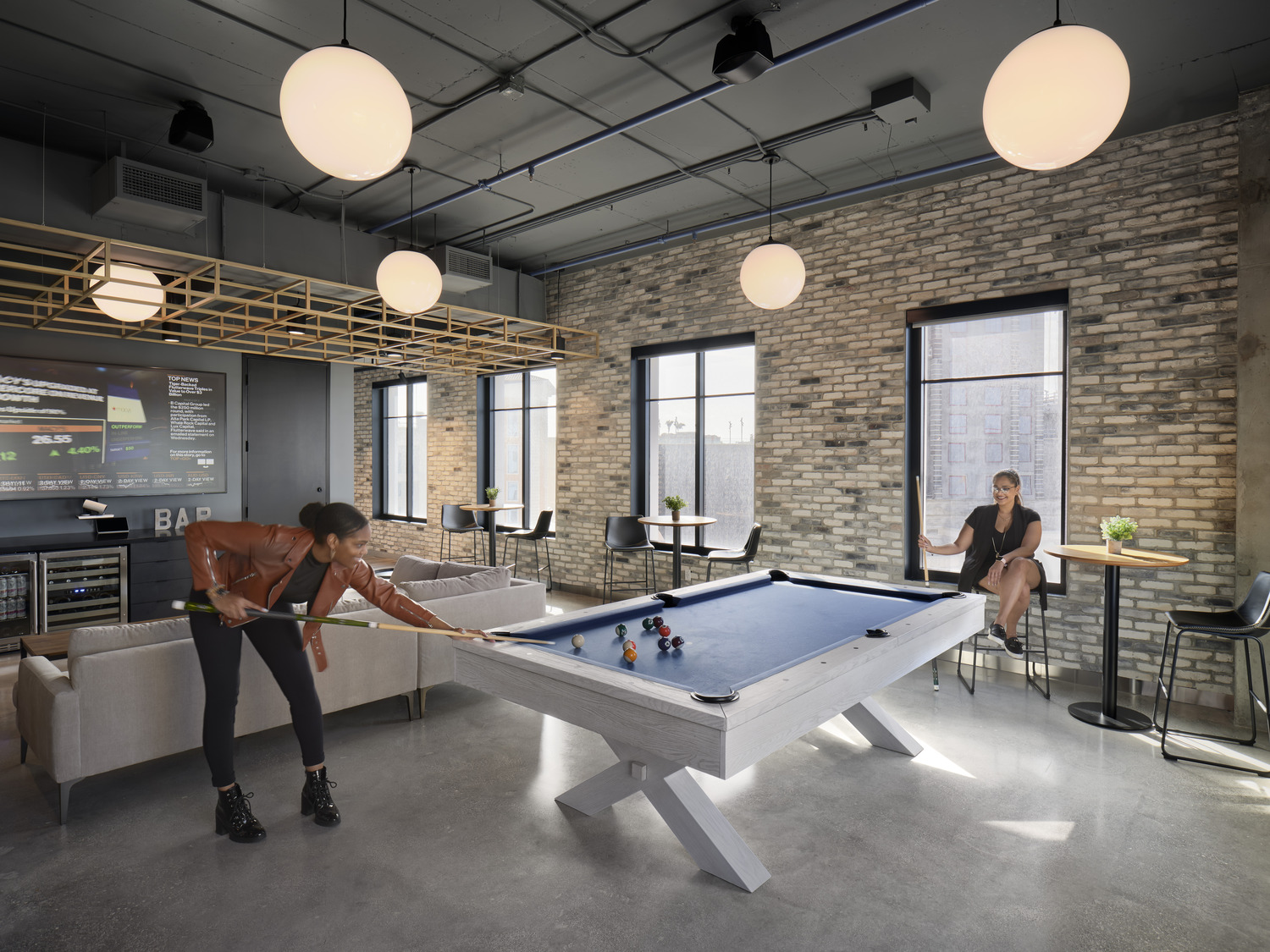
Confidential Client, Photography by Andrea Calo.
Leisure activities promote wellbeing (above). Interaction with others is key (below).
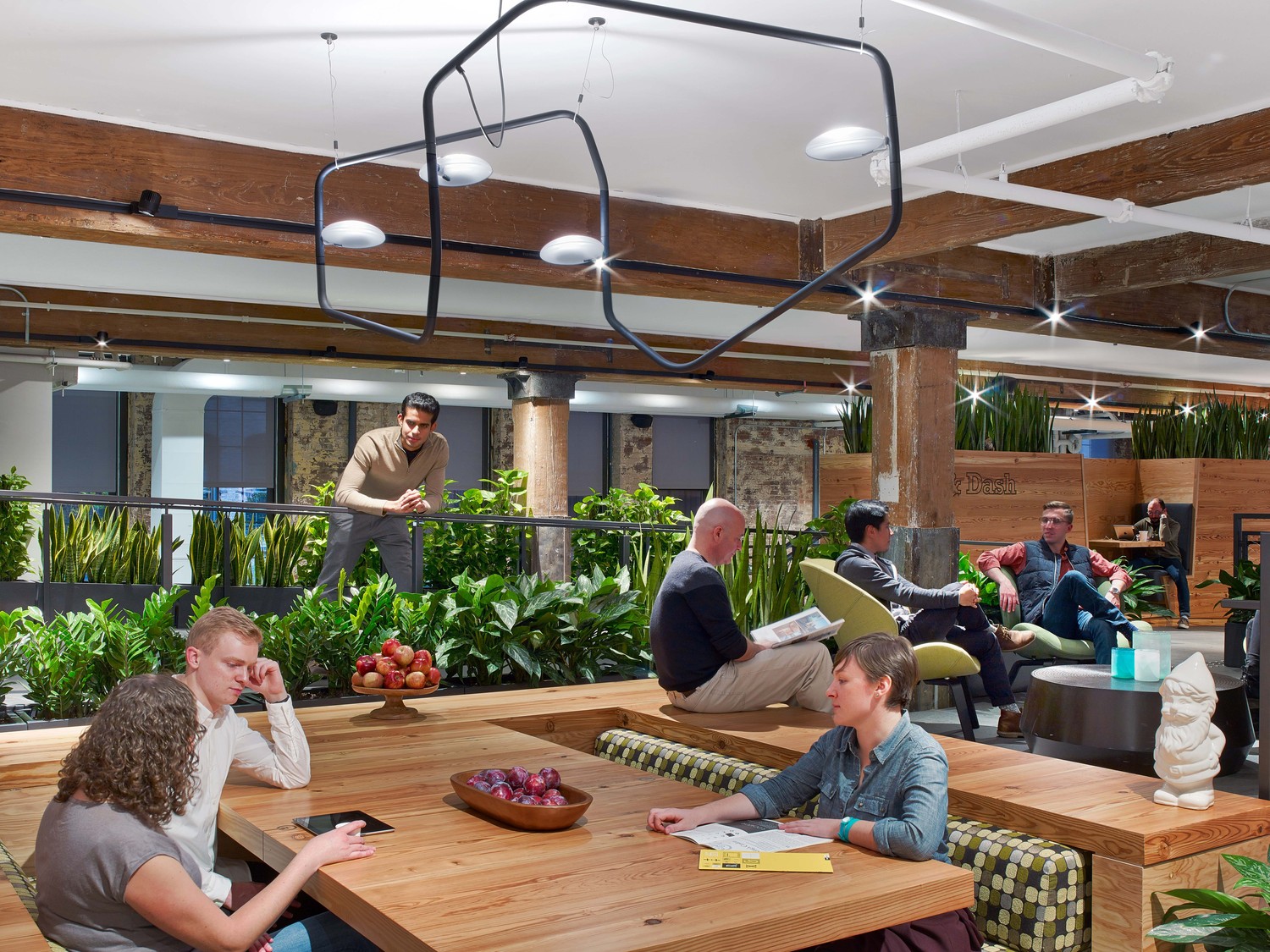
Confidential Client, Photography by Eric Laignel.
Pleasant amenities enhance the workplace (below).
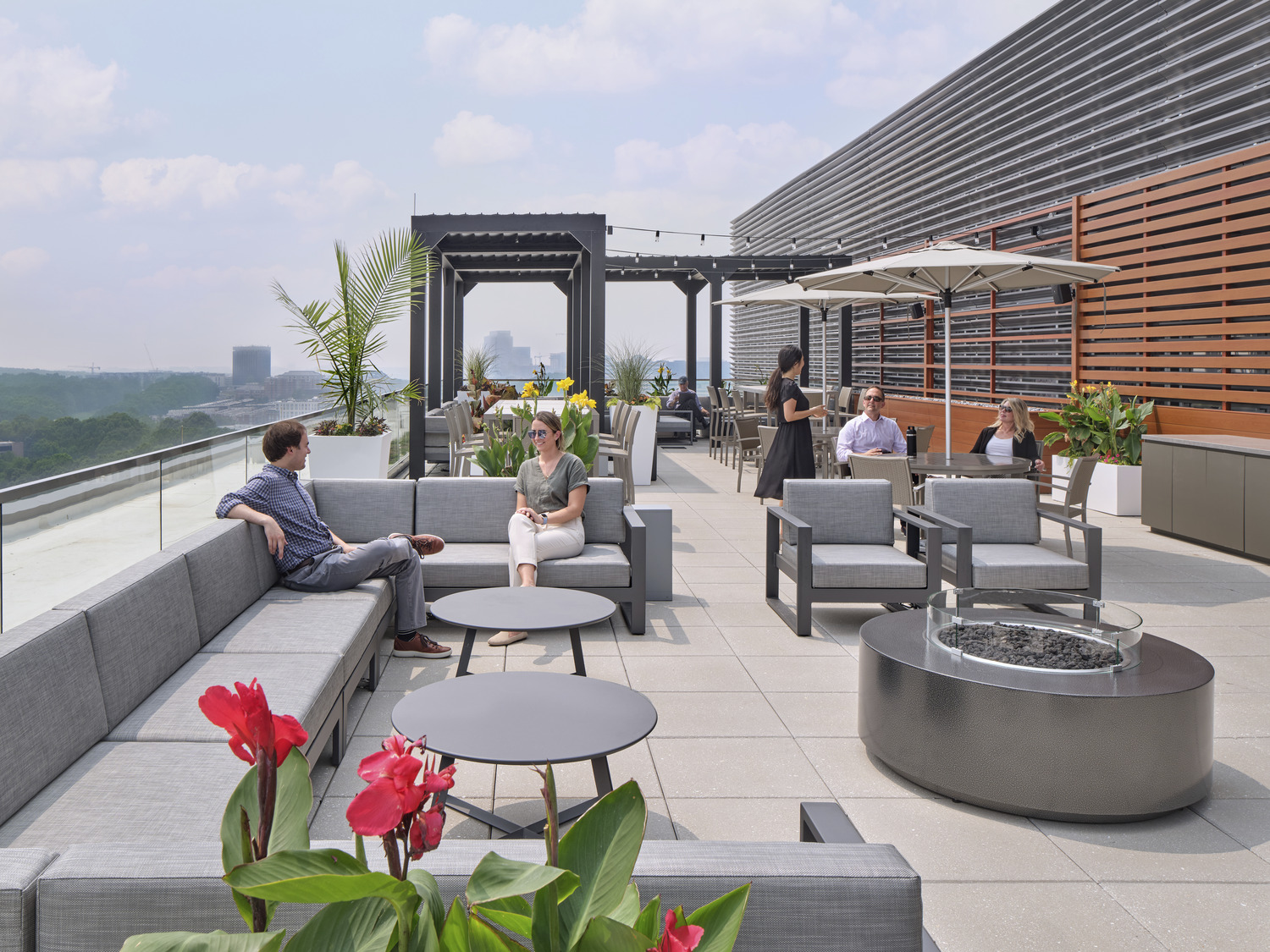
Confidential Client, Photography by Halkin Mason.
Bespoke Flexibility
The principle of Bespoke Flexibility refers to spaces that empower individuals and teams by providing a comfortable level of control over work location, conditions, and how space is used. This is design for competence.
Researchers link improved mood, which has positive implications for professional performance and retail outcomes, to aligning user preferences and needs with the design of their environment. Humans, regardless of the environment, share three core motivators: to succeed at whatever activity they are engaged in (in other words, to be competent); to have a comfortable level of control over their experiences (to have options for what they do); and to form and maintain relationships with other humans. There are multiple ways that design can help people achieve these objectives through strategies, planning, and design elements, including lighting, color, etc. Measuring analytical performance gauges the effects of Bespoke Flexibility.
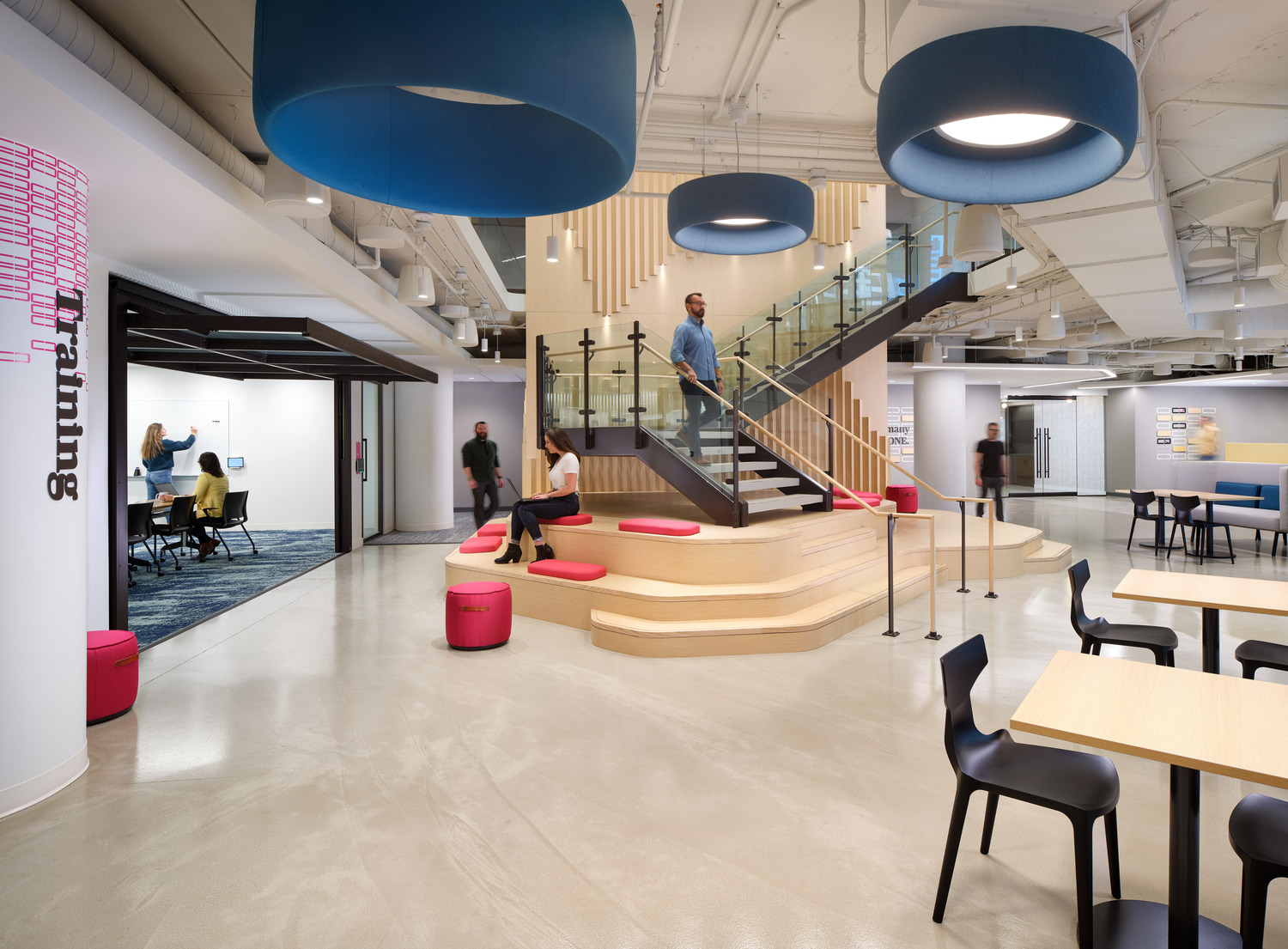
Design that encourages choice and enables customized control and flexibility to meet individual and team needs boosts user identity, establishes ownership, and creates a psychologically safe haven suited to optimal alignment of user specifications and environment. Ownership enhances status, inspiring affinity and empowerment that boosts mood, improving focus and memory formation, which contributes to measurably better analytical performance and productivity. The ability to temporarily personalize space is another empowering factor. Again, Bespoke Flexibility means designing for competence.
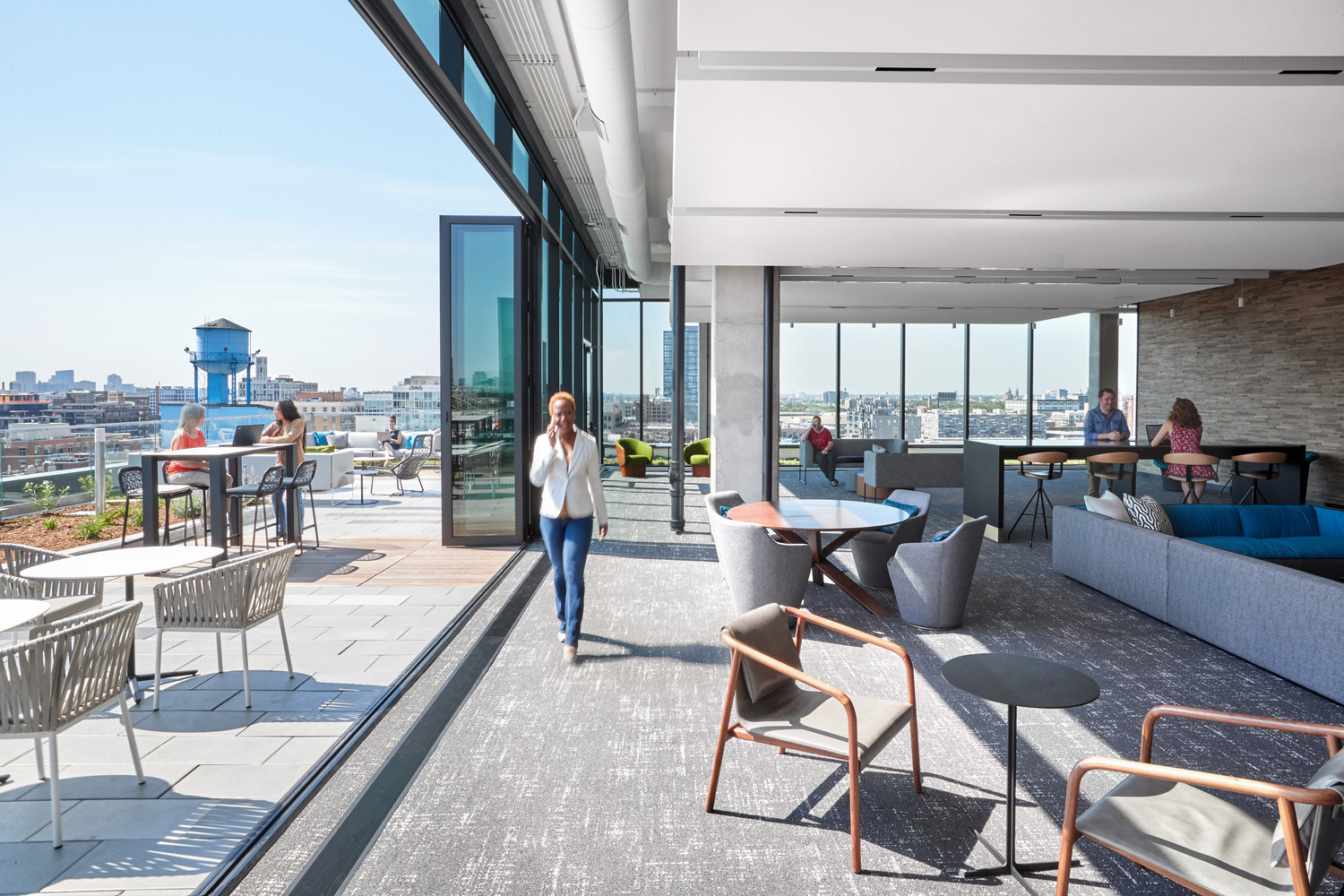
Confidential Client, Photography by Garrett Rowland.
This space offers choice (above), while reconfiguration is easily accomplished here (below).
Confidential Client, Photography by Patsy McEnroe.
Meeting individual and team space preferences empowers (below).

RangeWater Headquarters Atlanta, Photography by Adam Goldberg.
Equitable Beauty
The principle of Equitable Beauty denotes a designed environment where welcoming beauty resonates broadly through shared aesthetic experience, equity, and ethical sustainability. This is design for wellbeing.
The inclusion of beauty signals that users are valued beyond efficiency and productivity. Equitable Beauty supports well-being by fostering comfort and positive emotional responses through aesthetic conditions that are inclusive and culturally attuned. Distributed throughout the environment, colors, textures, images, artworks, or installations create a cohesive visual language that reflects the organization while remaining accessible to a wide range of users. Although beauty is subjective, research points to common preferences—such as the balance of curved and straight lines, the use of pattern, and references to natural forms—that influence how environments are experienced.
Biophilic design is closely connected to Equitable Beauty, while also acting as a design constant across all Harmonic Principles™. Multiple studies have linked it to elevated cognitive performance in the workplace, as well as increased income for retailers and positive responses to lodging options. Natural materials and light, plants, and views of nature (real or artworks, still or moving) have powerful effects. Measurements of well-being demonstrate the success of Equitable Beauty.
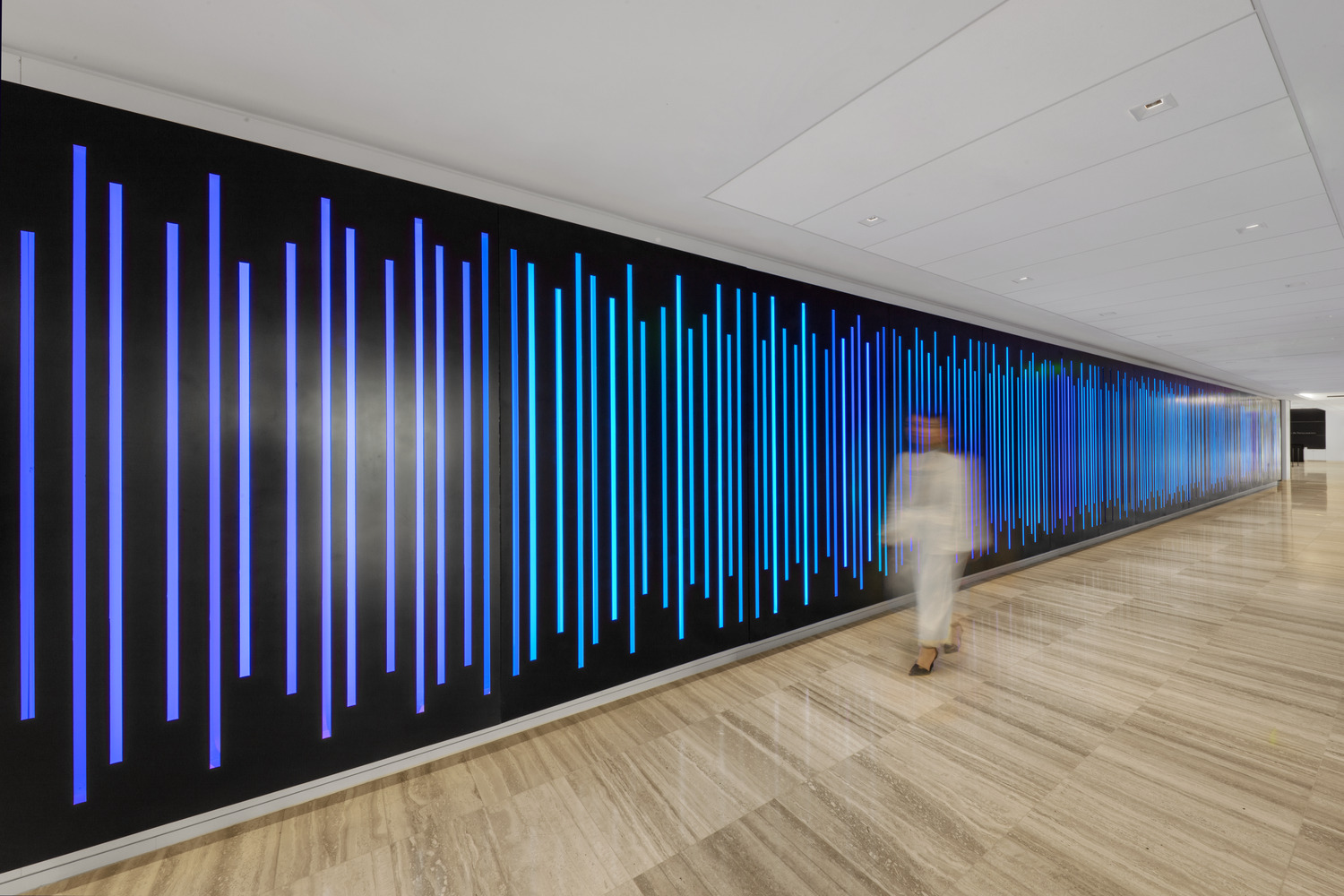
Confidential Client, Photography by Eric Laignel.
Aesthetic features inspire wonder (above), while static artwork resonates with the organization's culture (below).
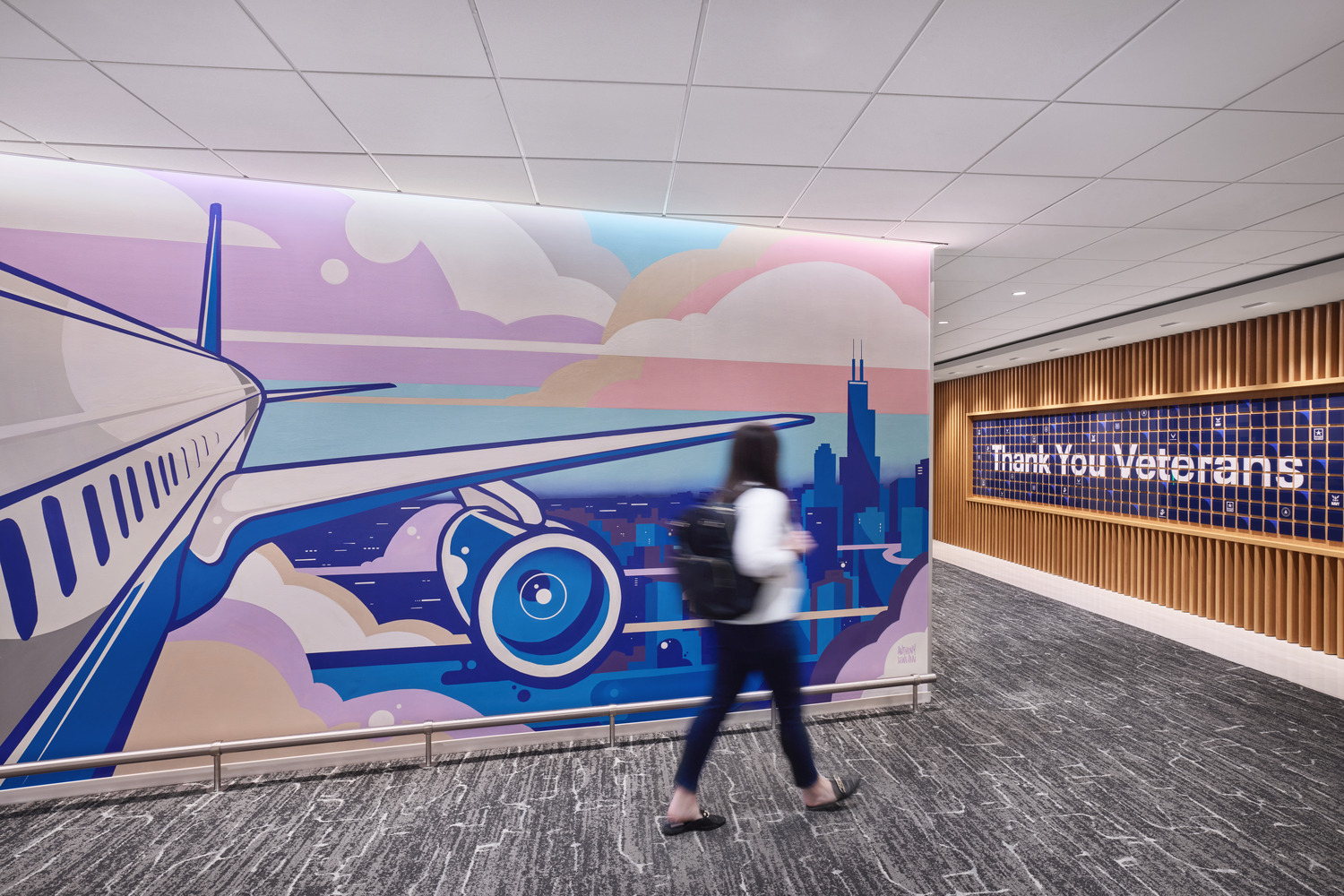
United Tower Chicago, Photography by Garrett Rowland.
A grand staircase with spiral lighting is inspiring (below).
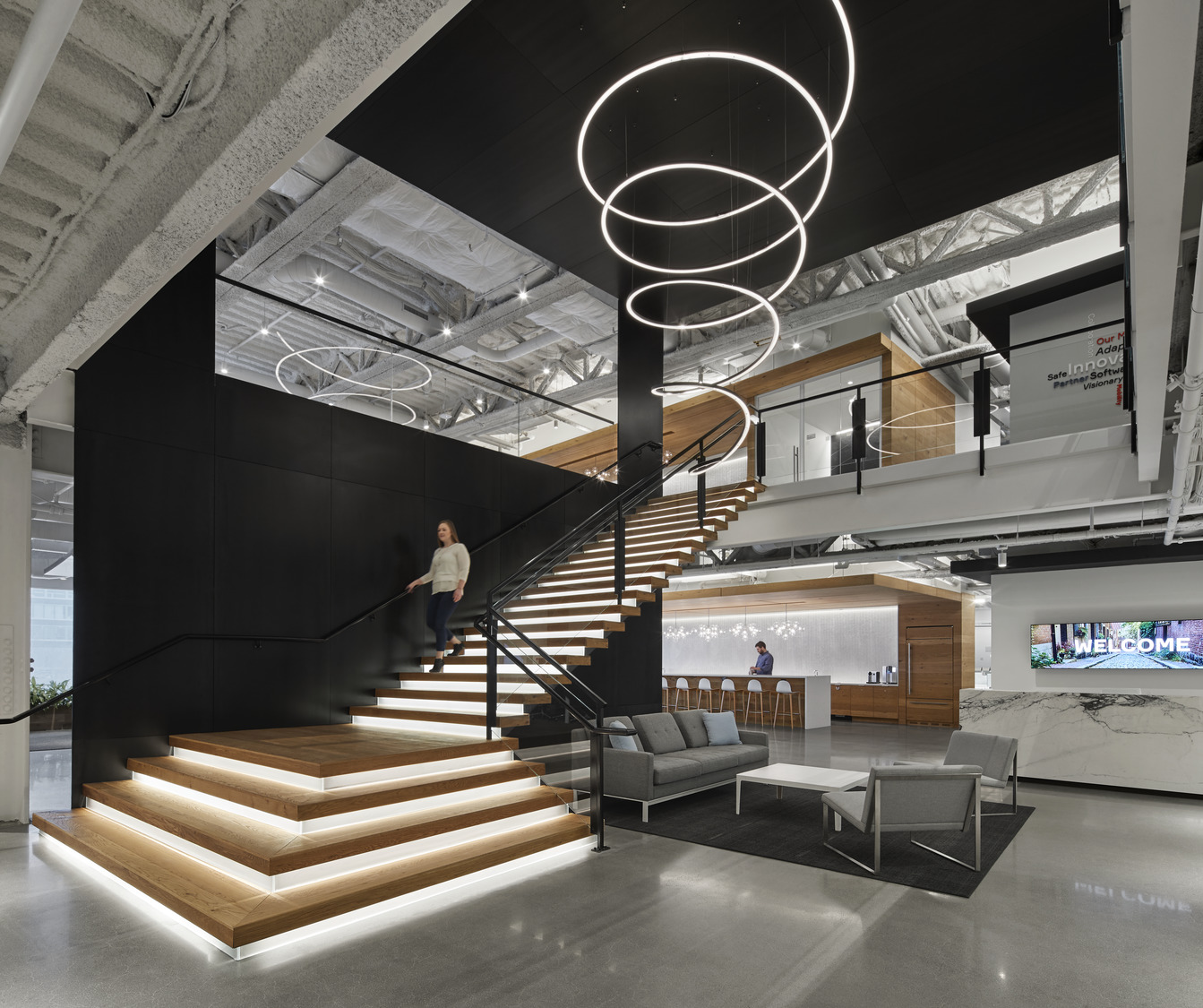
Confidential Client, Photography by Robert Benson.
Conclusion
The dimension of Spatial Harmony and its three principles, Positive Affordances, Bespoke Flexibility, and Equitable Beauty, addresses the spatial foundation of any environment. The remaining two dimensions and their six principles build on that foundation, layering in experiential and relational considerations to create a truly harmonic and dynamic environment. What comprises the Experiential Dimension and the Relational Dimension? Stay tuned for the next post in this series!

Valerie Jardon
Strategy Director

Dr. Sally Augustin, pHD
Director of Research
Contributors to the design-related applications for this research include Katie Hunt, Olivia Perron, Maddy Yovanoff, Cindy Bang, Melissa Carter, Michael Cerda, Shannon Farr, Maria Felenyuk, Jen Reves, and Carlotta Dove.